How to Use an AI UGC Generator for Scalable Social Growth
Discover how an AI UGC generator helps brands and creators scale video production. Learn to create photorealistic consistent content with Orior AI.

The shift toward authentic, human-centric content has fundamentally changed how brands interact with their audiences. User-generated content (UGC) is no longer a luxury for marketing teams; it is the baseline for building trust. However, the traditional process of sourcing creators, sending products, and managing revisions is often slow and expensive. This friction has led to the rise of the ai ugc generator, a technology that bridges the gap between high-quality production and the raw authenticity of social media.
Traditional video production often requires weeks of planning. Between scriptwriting, filming, and post-production, a single piece of content can cost thousands of dollars. For small brands or solo creators, this barrier to entry is significant. By leveraging advanced machine learning models, businesses can now produce high-fidelity video content that looks and feels like it was filmed by a real person on a smartphone, but at a fraction of the cost and time.
The Mechanics of Modern AI UGC
At its core, an ai ugc generator uses sophisticated neural networks to synthesize human likenesses and movements. Unlike early AI video tools that often felt robotic or uncanny, modern platforms utilize a multi-provider approach. This means they can tap into different specialized models depending on the desired output. For instance, some models excel at fluid body movement, while others are better at rendering photorealistic facial expressions.
Orior AI integrates seven distinct video generation providers, including Kling 3.0, MiniMax H3, and Seedance. This diversity allows users to select the specific engine that best suits their creative vision. If a creator needs a fast-paced TikTok transition, one model might be superior; if they need a close-up product testimonial with perfect lip-syncing, another model takes the lead.
Character Consistency and Photorealism
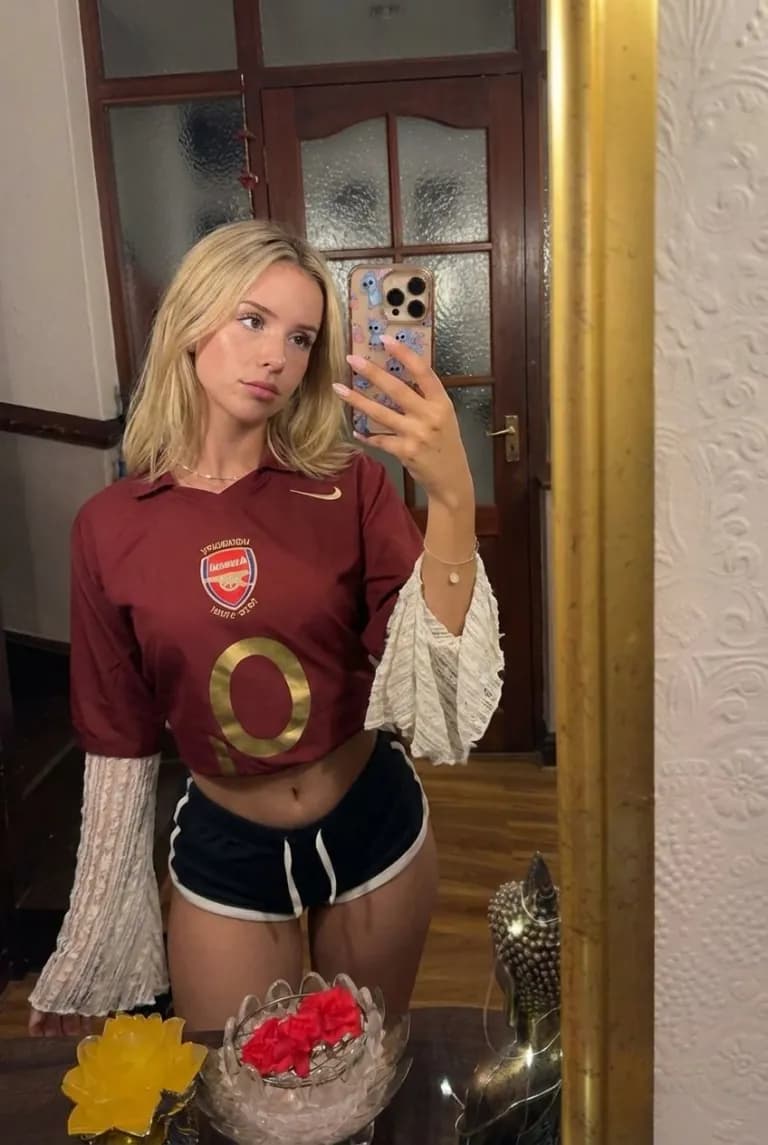
One of the biggest hurdles in AI video generation has historically been consistency. If a character looks different in every shot, the illusion of UGC is broken. To solve this, advanced platforms use photorealistic consistency algorithms. These tools allow you to define a character’s features (hair color, skin tone, facial structure) and maintain those exact traits across multiple scenes, camera angles, and lighting conditions.
This consistency is vital for brand storytelling. If a brand wants a specific "face" for their TikTok channel, they can generate a consistent AI persona that appears in every video, effectively creating a virtual influencer that never sleeps and requires no travel budget.
Why Brands are Moving to Synthetic UGC
The move toward synthetic content isn't just about saving money; it is about agility. In the current social media environment, trends emerge and disappear within days. A brand that takes two weeks to produce a response to a trending sound has already missed the window. An ai ugc generator allows for near-instant production, enabling teams to capitalize on viral moments in real-time.
Scaling Content Without Scaling Costs
Scaling a content strategy usually requires hiring more people. With AI, scaling is a matter of processing power rather than headcount. A single social media manager can oversee the production of dozens of videos per week. This is particularly beneficial for agencies managing multiple clients. Instead of coordinating with twenty different influencers, an agency can use Orior AI to generate custom content tailored to each client's specific aesthetic.
Creative Control and Iteration
When working with human creators, you are often limited by their equipment, their environment, and their interpretation of your brief. If the lighting is poor or the background is cluttered, you might have to pay for a reshoot. With AI, you have absolute control over the environment. Features like pose control and face-swap allow for granular adjustments. If a scene doesn't feel right, you can simply adjust the prompt or the control parameters and regenerate the clip in minutes.
Comparing Content Production Methods
To understand where an ai ugc generator fits into your strategy, it helps to compare it against traditional methods and standard AI video tools.
| Feature | Traditional UGC | Standard AI Video | Orior AI (UGC Focus) |
|---|---|---|---|
| Turnaround Time | 1-2 Weeks | Minutes | Minutes |
| Cost per Video | $150 - $1,000+ | $5 - $20 | Credit-based (Low) |
| Consistency | High (same person) | Low (faces drift) | High (Character Lock) |
| Scalability | Difficult | Easy | Easy |
| Social Integration | Manual | Manual | Direct Posting |
| Provider Choice | N/A | Single Model | 7+ Providers |
Practical Workflow for Creating AI UGC
Successfully using an ai ugc generator requires a blend of creative direction and technical understanding. Here is a step-by-step approach to generating high-performing content.
1. Define the Persona
Start by creating your base character. This is where you determine the look and feel of your "creator." Use specific descriptors in your prompts. Instead of "a woman talking," try "a 28-year-old woman with a friendly expression, wearing a casual linen shirt, standing in a brightly lit modern kitchen." This level of detail helps the AI establish the photorealistic consistency needed for the project.
2. Scripting for Social Media
UGC scripts should feel unpolished and conversational. Avoid corporate language. Use hooks within the first three seconds to grab attention. When inputting your script into the generator, consider the pacing. Most platforms allow you to control the speed and tone of the delivery to match the energy of platforms like TikTok or Instagram Reels.
3. Selecting the Engine
Different engines have different strengths. For high-action scenes where the character is moving around, Kling 3.0 or MiniMax H3 are often the preferred choices due to their handling of temporal consistency. For static testimonials where facial detail is the priority, other models might provide a sharper finish. Orior AI allows you to experiment with these different providers to see which one renders your specific prompt most accurately.
4. Refining with Pose Control and Face-Swap
If the generated video is almost perfect but the posture feels off, use pose control to guide the AI. This feature allows you to map out the skeletal movement of the character, ensuring they move exactly how you intended. Face-swap technology can also be used to maintain a consistent brand face across different generated bodies, ensuring your virtual spokesperson remains recognizable across your entire campaign.
5. Scheduling and Distribution
Content is only valuable if it reaches your audience. Once the video is generated and edited, use a content calendar to plan your rollout. Platforms like Orior AI offer direct posting to Instagram, TikTok, YouTube, X, Threads, and Snapchat. This eliminates the need to download and re-upload files, streamlining the workflow from creation to publication.
Advanced Strategies for Agencies and Brands
For those managing multiple accounts, the credit-based billing model provides a predictable way to manage expenses. Plans range from the Creator tier for individuals to the Agency tier for high-volume users. This flexibility allows businesses to start small and scale as they see results.
A/B Testing at Scale
One of the most powerful ways to use an ai ugc generator is for performance marketing. You can generate five different versions of the same ad (changing only the background, the character's outfit, or the opening hook) and run them as an A/B test. Because the cost of production is so low, you can afford to test variables that would be too expensive to explore with traditional filming.
Localizing Content
Global brands often struggle with localizing UGC. A video filmed in a US suburb might not resonate with an audience in London or Tokyo. With AI, you can change the background and the character's appearance to match the local demographic without needing to fly a crew to a different country. This ensures your content feels native to every market you target.
Navigating the Ethics of AI Content
As the technology becomes more prevalent, transparency remains important. Many brands choose to disclose the use of AI in their content, either through captions or platform-specific labels. The goal of using an ai ugc generator isn't to deceive, but to enhance the creative process and provide a better experience for the viewer. When done correctly, AI-generated content can be just as engaging and helpful as traditional media.
The Future of Social Content Production
We are moving toward a world where the distinction between "real" and "synthetic" content becomes less relevant than the distinction between "valuable" and "noise." Audiences care about stories, information, and entertainment. If an AI-generated creator provides a helpful product review or an entertaining skit, the audience will engage with it.
Platforms like Orior AI are at the forefront of this transition, providing the tools necessary for anyone to become a high-output content creator. By combining multiple video models, advanced character controls, and direct social integration, the barrier to entry for high-quality video production has been permanently lowered.
Whether you are an influencer looking to maintain a daily posting schedule without burnout, or a brand manager trying to scale a global ad campaign, integrating an AI-driven workflow is the most efficient path forward. The ability to generate consistent, photorealistic, and engaging video on demand is a competitive advantage that is quickly becoming a necessity.