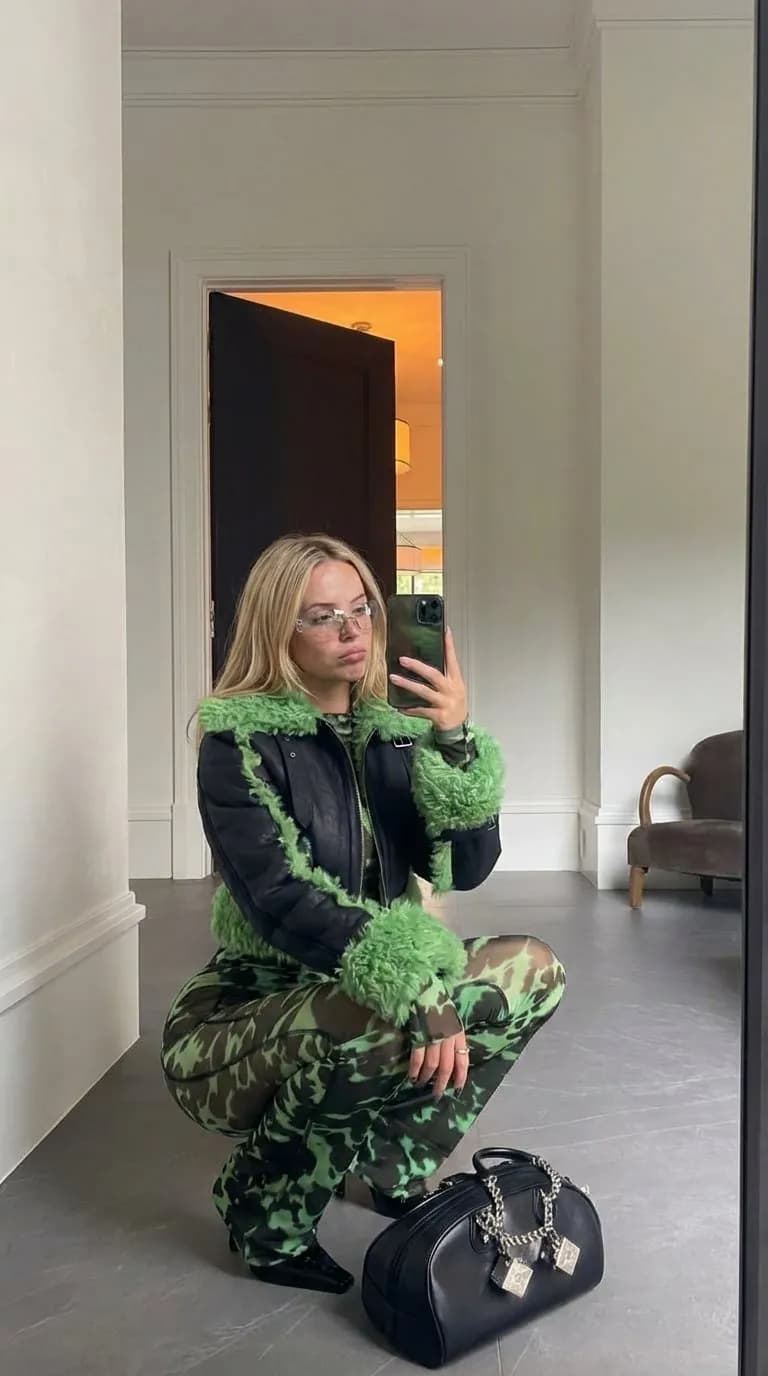
Best AI Tools for Content Creators 2026: The Complete Guide
Explore the best ai tools for content creators 2026. Learn how to use photorealistic AI video, character consistency, and social automation to scale UGC.

Generative media reached a tipping point where the distinction between human-captured footage and AI-generated content became virtually invisible to the average viewer. For those managing brands or personal channels, the shift from manual filming to AI-assisted production is no longer a luxury but a fundamental requirement for staying competitive. Selecting the best ai tools for content creators 2026 requires looking beyond simple text-to-image generators and focusing on platforms that offer end-to-end workflow integration, photorealistic consistency, and direct distribution capabilities.
The Shift Toward Integrated UGC Ecosystems
In previous years, creators were forced to jump between multiple isolated platforms. You might use one tool for generating a character, another for animating it, a third for face-swapping, and a fourth for scheduling the final post. This fragmented approach created significant friction and increased the likelihood of visual discrepancies. By 2026, the focus has shifted toward integrated ecosystems that handle the entire lifecycle of a piece of content.
Modern content creation demands high-velocity output without sacrificing quality. This is particularly true for User Generated Content (UGC), where the audience expects a certain level of raw, relatable aesthetic. AI tools now replicate this 'handheld' feel with surprising accuracy, allowing agencies and influencers to produce hundreds of variations for A/B testing in the time it previously took to film a single hook.
Evaluating Video Generation Engines
The core of any modern content strategy lies in the video generation model. While 2024 was defined by the emergence of short, often unstable clips, 2026 is defined by stability and temporal consistency. When searching for the best ai tools for content creators 2026, the diversity of available models is a critical metric. Using a single model often leads to a 'signature look' that can make content feel repetitive or easily identifiable as AI-generated.
High-Fidelity Models: Kling 3.0 and Veo 3
Models like Kling 3.0 and Veo 3 have set new benchmarks for physics and movement. These engines understand how light interacts with different fabrics and how human anatomy moves during complex tasks. For creators, this means less time fixing 'hallucinations' where limbs merge or backgrounds warp. These models are particularly effective for high-action sequences or product demonstrations where realism is non-negotiable.
Specialized Motion: MiniMax H3 and Seedance
Other providers like MiniMax H3 and Seedance have carved out niches in specific types of motion. Seedance, for example, excels at subtle facial expressions and micro-movements, making it ideal for 'talking head' style UGC. MiniMax H3 often provides a more cinematic color grade straight out of the box, which reduces the need for heavy post-production. Accessing these through a unified interface like Orior AI allows creators to pick the specific 'director' that fits the mood of their current project.
The Critical Importance of Character Consistency
One of the biggest hurdles in AI video has historically been keeping a character looking the same across different shots. If your 'influencer' has a different nose shape or hair texture in every video, the brand trust evaporates instantly. The best ai tools for content creators 2026 have solved this through advanced LoRA (Low-Rank Adaptation) training and character anchoring.
Photorealistic Character Generation
Creators now build 'Virtual Influencers' that serve as the face of a brand. These characters can be placed in any setting, wearing any outfit, while maintaining 100% facial and structural consistency. This technology allows a brand to have a consistent spokesperson who never gets tired, never misses a deadline, and can speak any language fluently. Platforms that offer pose control and face-swap features enable creators to take existing stock footage or low-quality mobile uploads and transform them into high-end brand assets featuring their specific consistent character.
Streamlining Social Media Distribution
Content creation does not end once the video is rendered. The final stage, distribution, is often where the most time is wasted. Manually downloading files, transferring them to mobile devices, and uploading them to five different social networks is an outdated workflow.
Integrated platforms now offer direct posting and scheduling for:
- Instagram (Reels and Stories)
- TikTok
- YouTube (Shorts and VOD)
- X (Twitter)
- Threads
- Snapchat
A centralized content calendar allows social media managers to visualize their entire month of AI-generated UGC at a glance. This ensures a healthy mix of content types and prevents the 'spammy' feel that can occur when automated tools are used without a strategic oversight.
Comparison: Top AI Creation Platforms in 2026
To understand where the market stands, it is helpful to compare the features of the leading tools currently used by agencies and professional creators.
| Feature | Orior AI | HeyGen | Runway | Midjourney |
|---|---|---|---|---|
| Video Engines | 7+ (Kling, Veo, etc.) | Proprietary | Gen-3 | N/A (Image only) |
| Social Posting | Direct (All Platforms) | Limited | No | No |
| Character Consistency | High (Photorealistic) | High (Avatars) | Moderate | High (Images) |
| Pose Control | Yes | No | Yes | No |
| Billing Model | Credit-based | Subscription | Subscription | Subscription |
| UGC Focus | Primary | Corporate/Training | Film/Artistic | Concept Art |
Actionable Strategy: Building a UGC Campaign with AI
For those looking to implement these tools immediately, follow this workflow to maximize efficiency and output quality.
Phase 1: Character Anchoring
Start by generating your primary character. Instead of a generic prompt, define specific traits: "A 28-year-old woman with olive skin, messy bun hairstyle, wearing a neutral linen shirt, standing in a sunlit kitchen, 8k photorealistic UGC style." Once you have the perfect look, use the platform’s character consistency tools to lock this identity. This ensures that every subsequent video you generate uses this exact person.
Phase 2: Scripting and Hook Generation
Use an LLM to generate 10 different hooks for your product. For example, if you are selling a skincare product, your hooks might range from "The one thing I changed in my morning routine" to "Stop wasting money on expensive serums."
Phase 3: Multi-Model Rendering
Don't rely on just one video engine. Use Kling 3.0 for the close-up shots of the product application to get the texture right. Use Seedance for the talking-head segments where the character explains the benefits. This variety in visual 'texture' makes the final edit feel more like a multi-camera shoot and less like a single AI generation.
Phase 4: Pose Control and Editing
If you have a specific movement in mind, like a person pointing to a text overlay, use pose control. This allows you to guide the AI's movement based on a reference video. It eliminates the guesswork of prompting and gives you frame-by-frame authority over the character's actions.
The Economics of AI Content Creation
Understanding the cost structure is vital for scaling. Most of the best ai tools for content creators 2026 have moved toward a credit-based system. This is generally more favorable for agencies because it allows for 'burst' production. You might use 500 credits one week for a major campaign launch and only 50 credits the next week for maintenance.
Orior AI offers tiers ranging from a Free plan for testing to an Agency plan at €99/mo, which provides the volume necessary for managing multiple client accounts. Compared to the cost of hiring a single UGC creator for a one-off video (which can range from $150 to $500), the ROI on AI tools is exponential. You are essentially paying for an infinite studio and an infinite roster of models for the price of a couple of steak dinners.
Overcoming the "AI Look"
The most successful creators in 2026 are those who know how to hide the tool. To avoid the overly smooth, plastic look often associated with AI, follow these tips:
- Add Grain and Noise: Real phone cameras have slight sensors noise, especially in low light. Adding a 2-3% grain overlay in post-production can ground the video in reality.
- Imperfection in Prompting: Instead of prompting for a "perfectly clean room," prompt for a "lived-in bedroom with a few clothes on the chair." These small human details signal authenticity to the viewer's brain.
- Vary the Lighting: Don't always go for 'studio lighting.' Ask for 'overcast window light' or 'harsh fluorescent office lights' to match the context of the video.
The Role of the Human Creator in 2026
With all these tools, the question often arises: what is left for the human? The answer is strategy and curation. AI can generate the pixels, but it cannot understand the cultural nuances of a trending meme or the specific pain points of a niche audience without human direction.
The best ai tools for content creators 2026 are force multipliers. They take a single person's creative vision and give it the production power of a 20-person agency. The creator's job has shifted from being the 'maker' to being the 'director' and 'editor.' You are now responsible for the 'why' and the 'who,' while the AI handles the 'how.'
Future-Proofing Your Content Stack
As we move further into 2026, expect to see even deeper integration between AI generation and real-time social analytics. The tools will likely start suggesting content edits based on what is currently performing well in your specific niche. Choosing a platform that is model-agnostic, meaning it integrates various providers like Veo, Kling, and others, is the best way to future-proof your workflow. If a new, better model is released tomorrow, you want to be able to use it immediately within your existing dashboard rather than switching your entire setup.
Managing the complexities of modern social media requires a tool that understands the need for speed, consistency, and ease of use. By leveraging a multi-model approach and focusing on character-driven UGC, creators can build a sustainable and scalable presence across all major platforms.