Choosing the Best AI Virtual Influencer Platform in 2026
Learn how to use an AI virtual influencer platform to create consistent characters, generate realistic video, and automate your social media content strategy.

The rise of digital personas has transformed how brands and creators approach social media marketing. Moving beyond static images, the industry now focuses on dynamic, video-first content that maintains a human-like presence without the logistical hurdles of traditional production. Finding the right ai virtual influencer platform is no longer just about generating a face; it is about building a scalable system for photorealistic consistency and multi-channel distribution.
The Shift Toward Generative Virtual Personas
Traditional influencer marketing relies on human schedules, lighting conditions, and physical locations. Virtual influencers remove these constraints. However, the first generation of these digital characters required massive CGI budgets and teams of 3D artists. The current era utilizes generative AI to achieve the same results at a fraction of the cost.
An effective ai virtual influencer platform bridges the gap between high-end cinematic quality and the fast-paced requirements of platforms like TikTok and Instagram. Creators are now looking for tools that offer more than just a single video engine. They need a comprehensive ecosystem that handles character creation, motion synthesis, and direct social integration.
Core Features of a Modern AI Virtual Influencer Platform
When evaluating software for digital persona creation, certain technical capabilities are non-negotiable for professional use.
Photorealistic Character Consistency
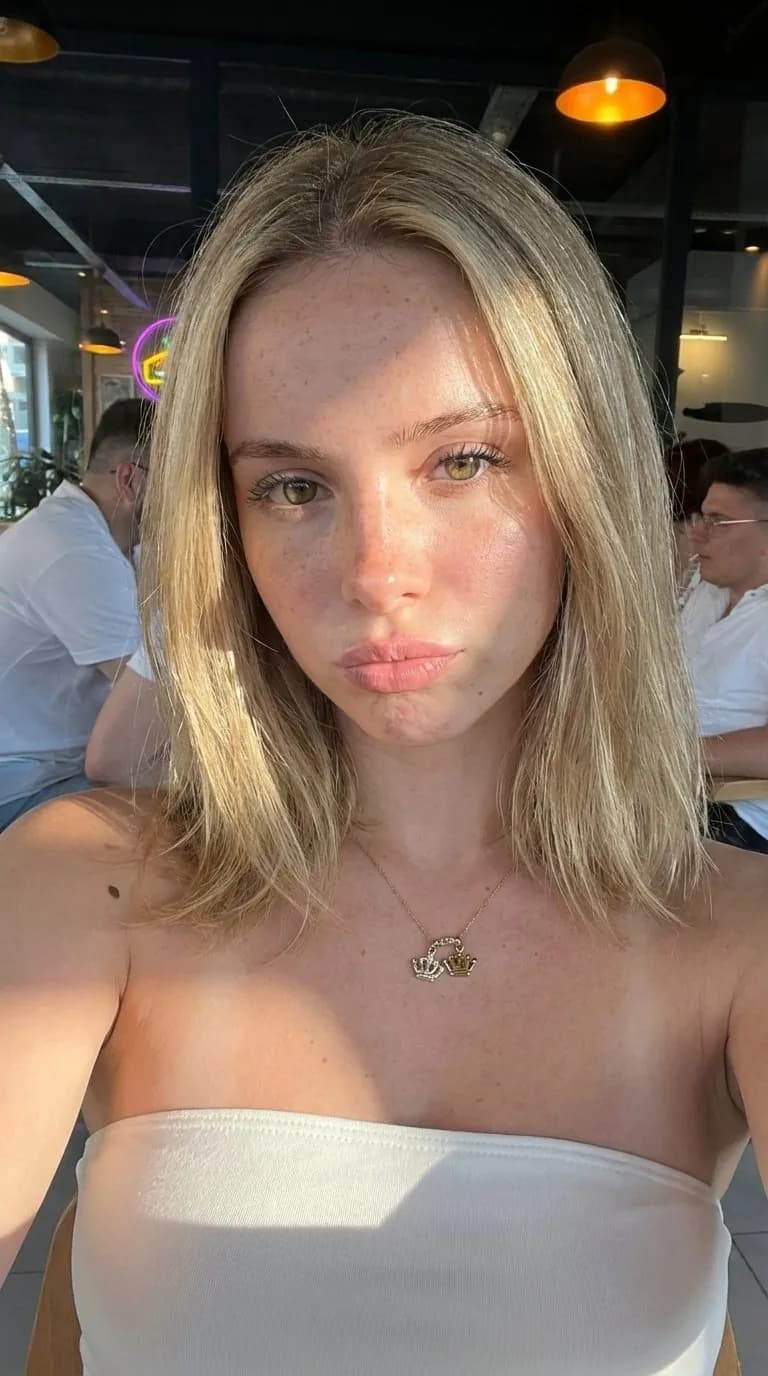
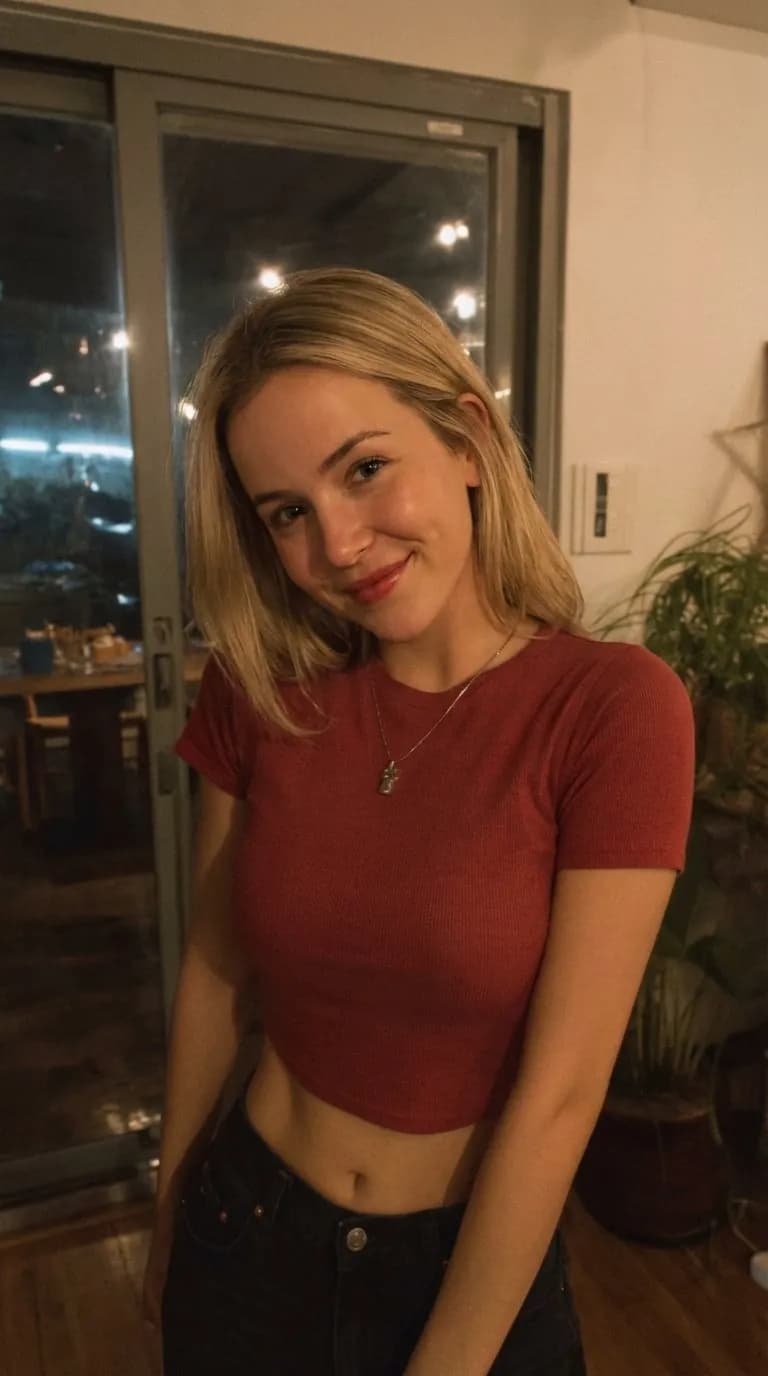
The biggest challenge in AI video has always been consistency. If a character looks different in every frame or every video, the brand identity collapses. Professional platforms use advanced LoRA (Low-Rank Adaptation) training or sophisticated face-swap technologies to ensure that the AI character maintains the same bone structure, skin texture, and features across different environments and lighting setups.
Multi-Engine Video Generation
The AI field moves too fast for any single model to remain the leader for long. A robust ai virtual influencer platform should provide access to multiple top-tier video generation engines. This allows creators to choose the specific aesthetic or motion style that fits their current project. Access to engines like Kling 3.0, Veo 3, MiniMax H3, and Seedance ensures that if one model excels at fluid movement while another excels at texture, the creator can switch between them seamlessly.
Pose and Motion Control
Static talking heads are no longer sufficient for high-engagement UGC. Creators need control over how their characters move. Features like pose control allow users to map the movements of a real person onto an AI character. This is essential for creating dance videos, product demonstrations, or complex physical actions that standard text-to-video prompts often struggle to replicate accurately.
Comparing Top AI Influencer Tools
Different platforms serve different niches within the creator economy. While some focus on corporate training, others are built for social media growth and viral content.
| Feature | Orior AI | HeyGen | Synthesia | Midjourney |
|---|---|---|---|---|
| Primary Use Case | Social Media & UGC | Corporate Video | Training/L&D | Static Art/Design |
| Consistency Tech | Face-swap & Character Lock | Avatar Cloning | Stock Avatars | Character Reference |
| Video Engines | 7+ (Kling, Veo, etc.) | Proprietary | Proprietary | None (Images only) |
| Social Posting | Direct to IG, TikTok, YT | Manual Export | Manual Export | Manual Export |
| Pricing Model | Credit-based Plans | Subscription | Enterprise/Seat | Subscription |
Building a Workflow for Your Virtual Persona
To successfully run a virtual influencer account, you need a repeatable workflow. The goal is to minimize the time spent on technical troubleshooting and maximize time spent on creative strategy.
Step 1: Character Design and Identity
Start by defining the visual identity of your influencer. This involves more than just a prompt. You should decide on the age, ethnicity, style, and "vibe" of the character. Using an ai virtual influencer platform like Orior AI, you can generate a base image that serves as your master reference. This reference image is what ensures your character looks the same in a coffee shop in Paris as they do in a studio in New York.
Step 2: Scripting and Audio Generation
Once the visual is set, the voice must match the persona. Most platforms integrate with high-quality TTS (Text-to-Speech) providers. The key is to select a voice that has natural inflection and avoids the robotic drone of older AI models. For UGC-style content, a slightly more casual, high-energy tone usually performs better than a polished broadcast voice.
Step 3: Scene Generation and Refinement
This is where you utilize the different video engines. For high-action shots, you might use an engine like MiniMax H3, which handles complex physics well. For close-up emotional shots, Kling 3.0 might be the better choice. By having these options within a single interface, you can maintain a high production value without needing multiple expensive subscriptions.
Step 4: Editing and Face-Swapping
If the base video generation has slight deviations from your character's look, an integrated face-swap tool can be used to "lock" the identity back onto the generated footage. This ensures 100% photorealistic consistency, which is vital for building trust with an audience.
Strategies for Social Media Distribution
A common mistake creators make is treating AI content differently than human content. The algorithms on TikTok and Instagram prioritize engagement, watch time, and shareability. Your ai virtual influencer platform should ideally include scheduling tools to help you maintain a consistent posting cadence.
Content Calendar and Automation
Posting daily is the standard for rapid growth. A platform that offers a built-in content calendar allows you to batch-produce videos and schedule them across Instagram, TikTok, YouTube, X, Threads, and Snapchat. This level of automation turns a one-person operation into a full-scale media agency.
Engaging with the Audience
Virtual influencers shouldn't just broadcast; they should interact. While the AI generates the visuals, the creator should handle the community management. Responding to comments and staying on top of trends ensures the persona feels "alive."
The Economics of AI Influencers
The cost-benefit analysis of using an AI-driven approach is compelling for both small creators and large agencies.
- Reduced Production Costs: No need for cameras, lighting rigs, or location rentals.
- Infinite Scalability: A single creator can manage five different virtual influencers across different niches simultaneously.
- Global Reach: It is easy to translate content into multiple languages using AI voice cloning, allowing a virtual influencer to have a global presence from day one.
Orior AI offers a tiered credit system that caters to different levels of production. The Creator plan at €15/mo is ideal for those just starting, while the Agency plan at €99/mo provides the volume needed for professional-grade output and multiple client accounts.
Technical Considerations for High-Quality Output
To get the most out of your ai virtual influencer platform, you need to understand some basic technical concepts.
Temporal Consistency
This refers to how stable the video is from frame to frame. Low-quality AI video often suffers from "flickering." To avoid this, use platforms that allow for higher sampling rates and provide the latest versions of video models. Newer models like Veo 3 have made significant strides in reducing these artifacts.
Upscaling and Post-Processing
Most AI video is generated at a lower resolution to save processing power. A professional workflow includes an upscaling step to bring the footage to 4K or 1080p. Using built-in image editing and enhancement tools within your platform can save hours of work in external software like After Effects or Premiere Pro.
Future Trends in AI Influencer Technology
We are moving toward a period where virtual influencers will be able to perform live streams using real-time motion capture and voice synthesis. We are also seeing the integration of LLMs (Large Language Models) directly into the personas, allowing them to have unique personalities and "thoughts" that inform the scripts they generate.
Choosing an ai virtual influencer platform that stays updated with these trends is essential. You don't want to build a brand on a platform that becomes obsolete in six months. Look for tools that are engine-agnostic and frequently add new features like pose control and advanced face-swapping.
Conclusion
The barrier to entry for creating high-quality video content has never been lower. By leveraging an ai virtual influencer platform, creators can bypass the traditional bottlenecks of production and focus on what matters: storytelling and brand building. Whether you are a solo influencer marketer or a large-scale UGC agency, the ability to generate consistent, photorealistic characters and distribute them across all social channels from a single dashboard is a significant competitive advantage.
Ready to build your digital persona with the most advanced video engines available?